Foundation settlement is a critical concern in construction, as it can lead to structural damage and costly repairs if not properly managed. Several common construction mistakes contribute to accelerated foundation settlement, often stemming from inadequate planning, poor soil assessment, and improper material use. Understanding these errors helps builders and property owners take preventive measures and ensure long-term stability.
One frequent mistake is insufficient site investigation before construction begins. Soil conditions vary widely depending on location, and failing to conduct thorough geotechnical surveys can result in choosing an unsuitable foundation type for the ground characteristics. For example, building on expansive clay soils without proper mitigation may cause uneven settling as the soil expands or contracts with moisture changes. Without understanding these dynamics beforehand, foundations may shift unpredictably after construction.
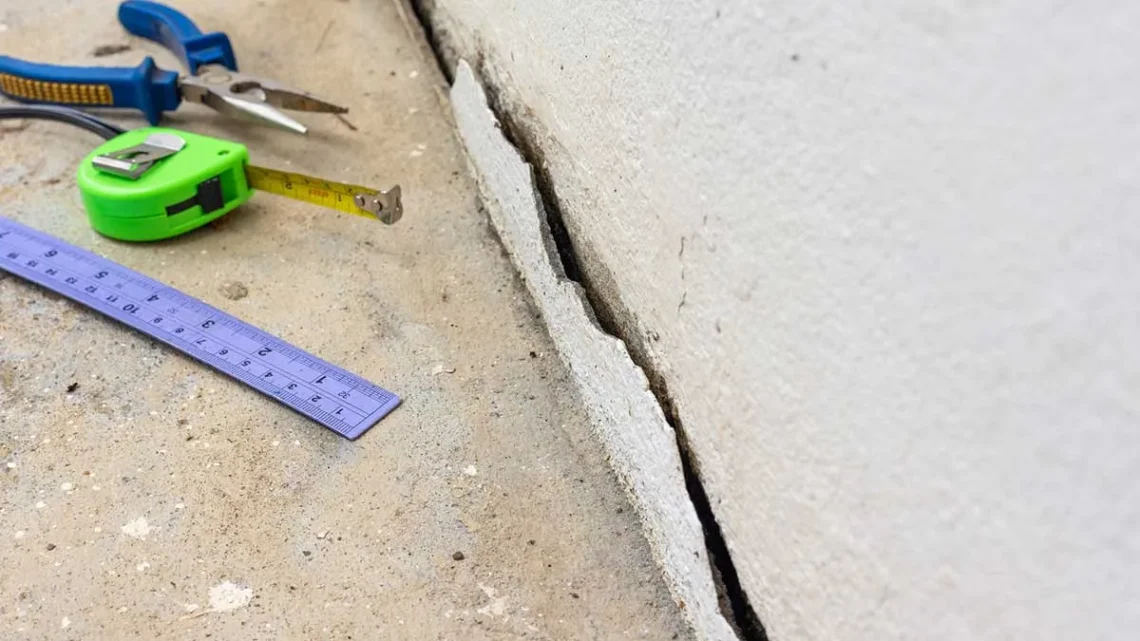
Another issue arises from improper compaction of the soil beneath the foundation. When backfill materials are loosely placed or inadequately compacted around footings or slabs, voids remain that eventually settle under load over time. This gradual compression leads click to find out differential settlement where some parts of the foundation sink more than others, causing cracks in walls or floors above.
Using substandard or inappropriate materials also accelerates settlement problems. Foundations constructed with low-quality concrete that lacks sufficient strength or durability are more susceptible to cracking under stress. Additionally, neglecting reinforcement placement within concrete footings reduces their ability to resist bending forces caused by shifting soils.
Water management plays a crucial role in preventing accelerated settlement but is often mishandled during construction projects. Poor drainage systems allow water accumulation near foundations which softens supporting soils and increases their compressibility. Excessive moisture infiltration through faulty grading or gutter systems exacerbates this effect by continuously saturating soils adjacent to structural elements.
Inadequate design considerations further contribute to premature settling issues. Designing foundations without accounting for anticipated loads from future modifications such as additional stories can overload existing supports beyond their capacity leading to excessive movement underground.
Lastly, rushing through construction phases without allowing adequate curing time for concrete weakens foundational integrity significantly increasing vulnerability against settlement forces over time.