
When an air conditioning system is not performing optimally, two common issues often come under scrutiny: refrigerant undercharge and airflow problems. Identifying the root cause between these two can be challenging but is essential for proper diagnosis and repair. Both conditions can lead to similar symptoms such as insufficient cooling, longer run times, or frozen evaporator coils. However, understanding their distinct characteristics helps in pinpointing the actual problem.
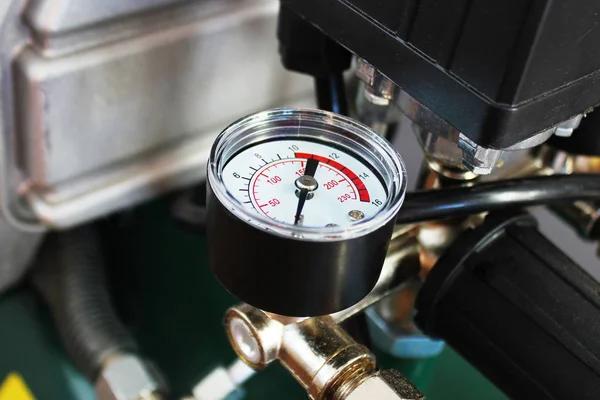
Refrigerant undercharge occurs when there is less refrigerant in the system than required for efficient operation. This shortage may result from leaks or improper charging during installation or maintenance. When the refrigerant level is low, the pressure within the system drops below normal levels, causing inadequate heat transfer and reduced cooling capacity. One clear indicator of a refrigerant issue is a noticeable drop dive in for more suction pressure measured at the service ports using gauges. Additionally, low refrigerant causes evaporator coils to become excessively cold and sometimes freeze over due to insufficient heat absorption.
On the other hand, airflow problems stem from restrictions or imbalances in how air moves through the HVAC system’s components. Common causes include dirty or clogged air filters, blocked return vents, malfunctioning blower motors, or improperly sized ductwork. Poor airflow reduces warm air reaching the evaporator coil which leads to lower heat exchange efficiency and potential coil freezing as well. Unlike refrigerant issues that affect pressures directly measurable on gauges, airflow problems are typically diagnosed by assessing static pressure readings across ducts along with visual inspections of filters and vents.
To effectively differentiate between these issues requires a systematic approach starting with checking basic elements like filter condition and vent clearance before moving on to more technical measurements such as pressure readings and temperature differentials across components. Technicians often measure superheat and subcooling values; abnormal results usually indicate a refrigerant charge problem rather than airflow limitations.
Another diagnostic step involves observing compressor behavior along with condenser fan operation since restricted airflow around outdoor units can mimic symptoms seen with low refrigerant levels but will not show corresponding gauge pressure anomalies typical of leaks.
In summary, while both refrigerant undercharge and airflow problems produce overlapping symptoms that impact cooling performance negatively, careful evaluation of pressures combined with thorough inspection of air pathways provides clarity on which issue exists. Proper diagnosis ensures targeted repairs that restore comfort efficiently without unnecessary component replacements or repeated service calls. Understanding these differences empowers technicians to resolve HVAC malfunctions accurately while minimizing downtime for users relying on their systems daily during hot weather conditions.