
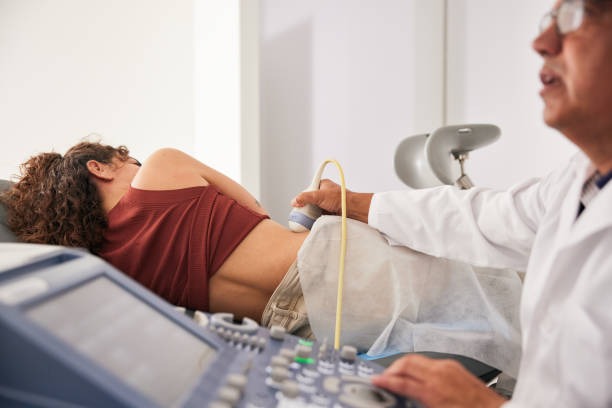
Understanding the most fertile window is essential for couples trying to conceive, as it significantly increases the chances of pregnancy. The fertile window refers to the days in a woman’s menstrual cycle when conception is most likely to occur. This period typically spans six days: five days leading up to ovulation and the day of ovulation itself. Since sperm can survive inside the female reproductive tract for up to five days, intercourse during this time allows sperm to be present when an egg is released.
Ovulation usually occurs about 14 days before the start of a woman’s next menstrual period, but this timing can vary widely among individuals and even from best timne to get pregnant during a cycle in the same person. Tracking ovulation accurately helps identify this fertile window more precisely than relying on calendar calculations alone. One common method involves monitoring basal body temperature (BBT). A slight increase in BBT occurs after ovulation due to hormonal changes, so charting daily temperatures over several months can help predict future ovulation dates.
Another effective approach involves observing cervical mucus consistency throughout the cycle. As estrogen levels rise approaching ovulation, cervical mucus becomes clearer, stretchier, and more slippery-similar to raw egg whites-which facilitates sperm movement and survival. Noticing these changes signals that fertility is increasing.
Ovulation predictor kits (OPKs) provide a convenient way to detect hormonal surges associated with impending ovulation by measuring luteinizing hormone (LH) levels in urine. LH surges typically precede ovulation by 24-36 hours, indicating that peak fertility is imminent. Using OPKs daily around mid-cycle improves timing accuracy for intercourse.
Some women may also track other physical signs such as mild pelvic pain or breast tenderness near ovulation; however, these symptoms are less reliable indicators compared with other methods mentioned above.
Combining multiple techniques often yields better results in identifying fertile windows since individual variability exists in cycles and symptoms. For example, using OPKs alongside cervical mucus observation enhances confidence about when conception chances are highest.
It is important not only to pinpoint fertile days but also maintain regular intercourse during this timeframe because fertilization depends on both viable eggs and healthy sperm meeting successfully within narrow periods each month.
In summary, understanding one’s unique menstrual pattern through careful observation or testing tools enables couples seeking pregnancy to optimize timing effectively without unnecessary stress or guesswork involved with random attempts outside peak fertility phases.
Head Office
168, BSNL Road, Near BSNL office, Sector 3, Hiran magri, Udaipur, Rajasthan 313001
Call
+91 90018 38800
+91 90019 97440
Email Us
dralkaivf01@gmail.com
Operating Hours
Mon – Sat 9 AM – 6 PM
Sunday 9 AM – 4 PM