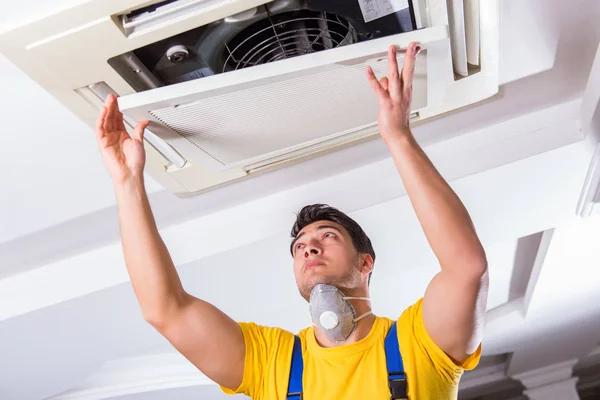
Short cycling is a common issue that can significantly impair the performance of HVAC systems and lead to increased repair costs. This phenomenon occurs when an HVAC system turns on and off too frequently, failing to complete a full cooling or heating cycle. Understanding the implications of short cycling is crucial for homeowners and facility managers aiming to maintain efficient and cost-effective climate control.
At its core, short cycling disrupts the normal operation of an HVAC system. Ideally, these systems are designed to run through extended cycles, allowing them to reach optimal efficiency levels while maintaining consistent indoor temperatures. However, when short cycling occurs, it prevents the system from achieving these efficiencies. The frequent stops and starts strain components such as compressors and motors, leading to premature wear and tear. Over time, this increased stress can cause components to fail sooner than expected, necessitating costly repairs or replacements.
The impact of short cycling extends beyond mechanical wear; it also affects energy consumption. HVAC systems consume more energy during startup phases than during continuous operation because they require a surge in power each time they turn on. Therefore, frequent cycling results in higher energy bills without delivering corresponding comfort benefits within living or working spaces. This visit our website inefficiency not only burdens financial resources but also contributes negatively to environmental sustainability by increasing overall energy demand.
Several factors can contribute to short cycling in HVAC systems. One common cause is improper sizing; if a unit is too large for its designated space, it will cool or heat the area quickly but unevenly before shutting off prematurely. Similarly, thermostat malfunctions may incorrectly signal the system to stop before reaching desired temperature settings—another scenario that leads directly into short cycles.
Regular maintenance plays a pivotal role in preventing short cycling issues from arising or worsening over time. Routine inspections enable technicians to identify potential problems early on—such as clogged filters blocking airflow—which could otherwise trigger unnecessary shutdowns due simply because air cannot circulate properly throughout ducts.
Moreover,a well-maintained thermostat ensures accurate readings so that units operate according only real-time conditions rather than faulty data inputs causing erratic behavior patterns like those seen with unchecked equipment errors impacting performance adversely across multiple fronts simultaneously: financially via skyrocketing utility expenses plus environmentally through excess carbon emissions generated needlessly every day until resolved effectively once identified correctly at source level (i.e., root causes).
In conclusion ,understanding how harmful effects associated specifically related directly back towards “short-cycling” occurrences help minimize both immediate long-term risks posed against any given property’s overall operational integrity thereby guaranteeing continued enjoyment reliable service provision year-round regardless seasonal fluctuations experienced locally regionally nationwide globally alike!