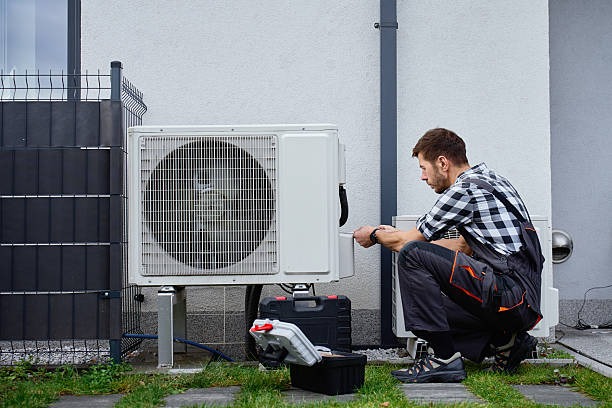
HVAC technicians play a crucial role in maintaining the comfort and safety of residential and commercial environments. Their expertise allows them to diagnose system problems efficiently, often without resorting to full system replacements, which can be costly and time-consuming. Instead, they employ a variety of diagnostic techniques and tools to identify issues accurately and implement targeted solutions.
One of the primary methods HVAC technicians use is a thorough visual inspection. By examining components such as filters, coils, wiring, and ductwork, they can often spot signs of wear or damage that could lead to larger issues if left unaddressed. This step is crucial because it allows technicians to address minor problems before they escalate into major malfunctions requiring extensive repairs or replacements.
In addition to visual inspections, HVAC technicians utilize advanced diagnostic tools designed specifically for heating and cooling systems. These tools include digital multimeters for testing electrical components, refrigerant gauges for assessing pressure levels in air conditioning units, and infrared thermometers for measuring temperature variations across different parts of the system. By using these instruments effectively, technicians can pinpoint specific areas where performance may be lacking or where faults have developed.
Another critical aspect of diagnosing HVAC problems involves listening closely to the system’s operation. Unusual noises such as banging, hissing, or grinding can provide valuable clues about underlying issues like loose components or airflow obstructions. Experienced technicians are adept at interpreting these auditory signals alongside other diagnostic data to form a comprehensive understanding of what might be wrong with the system.
Moreover, many modern HVAC systems come equipped with self-diagnostic features that generate error codes when something goes awry. Technicians can access these codes via specialized interfaces on thermostats or control panels. By interpreting these codes correctly—often cross-referencing them with manufacturer guidelines—they gain insights into potential malfunctions related directly to specific parts or functions within the unit.
Preventive maintenance also plays an integral role in problem diagnosis without necessitating full replacement. Regular maintenance visits allow technicians not only to clean and tune up systems but also monitor ongoing performance trends over time. this website proactive approach helps identify declining efficiency early on so corrective measures can be taken before complete failure occurs.
Ultimately, skilled HVAC technicians rely on their training combined with practical experience when diagnosing system problems efficiently without defaulting immediately towards replacement options—a process beneficial both economically for clients while ensuring sustainable practices within industry standards remain upheld consistently throughout service engagements undertaken professionally by certified personnel across varied operational contexts encountered daily worldwide today.