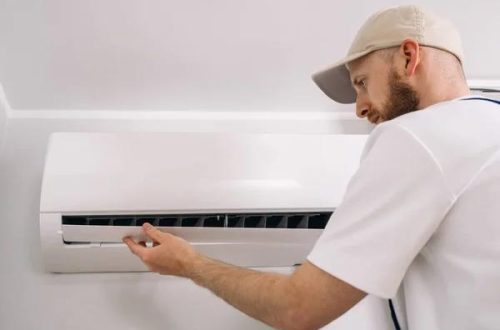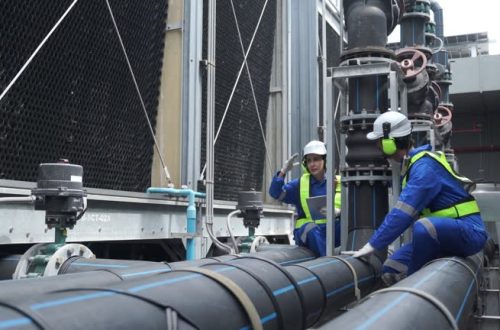
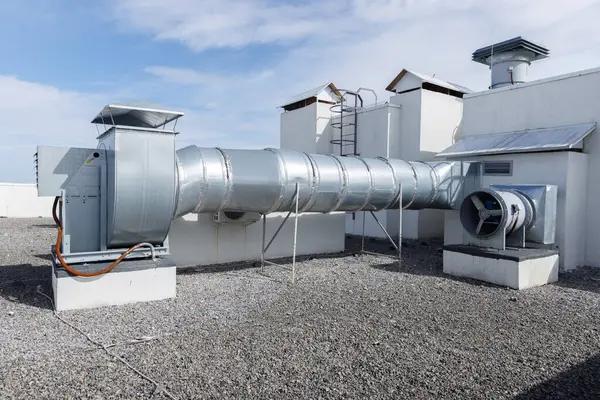
Maintaining a comfortable indoor environment throughout the year requires reliable heating and air systems. Understanding how these systems work and knowing essential maintenance tips can help ensure they operate efficiently, saving energy and extending their lifespan. Heating and cooling systems vary in type, but most homes use either central HVAC units or individual heaters and air conditioners. Central systems circulate conditioned air through ductwork, while standalone units serve specific rooms or zones.
Proper installation is crucial for system reliability. A poorly installed unit may struggle to maintain desired temperatures, consume excessive energy, or break down prematurely. Hiring certified professionals to assess your home’s size, insulation quality, and ventilation needs before installation helps select the right equipment capacity. Oversized or undersized units often lead to inefficiency; oversized models cycle on and off frequently, causing wear and uneven temperature control, whereas undersized ones run continuously without adequately heating or cooling spaces.
Regular maintenance plays a vital role in keeping your Essential Heating and Air cooling system dependable. Changing filters every one to three months prevents dust buildup that restricts airflow and forces components to work harder than necessary. Cleaning coils in air conditioners improves heat transfer efficiency by removing dirt that acts as an insulating layer. Similarly, inspecting furnace burners ensures proper combustion which reduces harmful emissions while improving performance.
Thermostats are key components influencing comfort levels and energy consumption. Modern programmable thermostats allow users to set schedules matching occupancy patterns so heating or cooling runs only when needed. Smart thermostats take this further by learning habits over time or adjusting settings remotely via smartphone apps for added convenience.
Energy efficiency should always be considered when selecting new equipment or upgrading existing systems. Look for products with high Seasonal Energy Efficiency Ratio (SEER) ratings for air conditioners or Annual Fuel Utilization Efficiency (AFUE) percentages for furnaces; these indicate better performance relative to energy input. Investing in efficient technology lowers utility bills while reducing environmental impact.
In addition to mechanical upkeep, sealing leaks around windows, doors, ducts, and attic spaces enhances overall system effectiveness by minimizing unwanted heat exchange with outside air. Proper insulation complements this effort by maintaining stable indoor temperatures regardless of external weather conditions.
In summary, achieving reliable heating and cooling depends on correct sizing during installation, routine maintenance such as filter changes and coil cleaning, smart thermostat usage for optimal control, choosing energy-efficient appliances based on recognized ratings standards, plus improving home insulation integrity through sealing gaps where conditioned air might escape unnoticed-all contribute towards sustained comfort combined with cost savings over time.