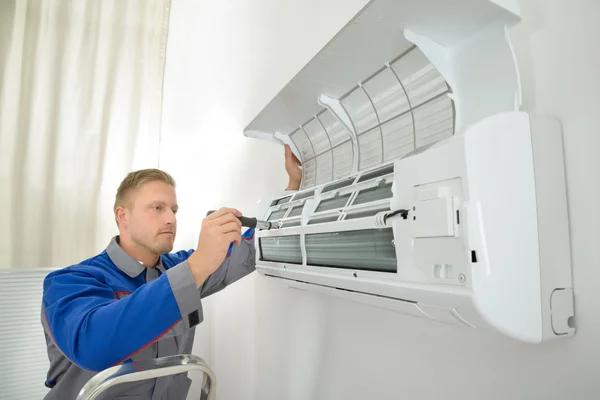
When the sweltering heat of summer arrives, a malfunctioning air conditioner can quickly turn your home into an uncomfortable environment. If your AC won’t keep running, it’s essential to diagnose and fix the problem promptly to restore comfort. This guide provides a comprehensive approach to troubleshooting and resolving issues with an AC that refuses to maintain its operation.
First, check the thermostat settings. Ensure it is set to “cool” mode and that the temperature setting is lower than the current room temperature. Sometimes, incorrect settings can prevent the unit from functioning efficiently. If everything seems correct but there are still issues, consider replacing old batteries in programmable thermostats or recalibrating manual ones.
Next, inspect explore the details air filter. A clogged or dirty filter restricts airflow and forces the system to work harder than necessary, which may cause it to shut down prematurely. Regularly replacing or cleaning filters—typically every one to three months—can prevent this issue and enhance overall performance.
Another common culprit is poor airflow due to blocked vents or registers. Make sure furniture or other objects do not obstruct these areas as restricted airflow can lead to overheating of components within your AC unit.
The outdoor condenser unit also requires attention; ensure it is free from debris such as leaves, dirt, or grass clippings that could impede its function. Additionally, examine whether any plants have grown too close and trim them back if necessary for optimal ventilation around the condenser coils.
Electrical issues might be at play if your system still fails after checking these basics steps: inspect circuit breakers associated with both indoor units (air handler) & outdoor units (condenser). Occasionally they trip during power surges causing interruptions in service until reset manually by flipping switches off/on again – consult user manuals regarding specific breaker locations relevant models installed premises!
Refrigerant levels should also be evaluated by professionals when suspect leaks arise given hazardous nature substances involved requiring specialized equipment handling procedures safely conducted trained technicians only! Low refrigerant levels reduce cooling efficiency leading potential breakdowns over time without proper maintenance intervention promptly addressed upon detection symptoms like hissing noises visible frost accumulation piping connections etcetera…
Lastly yet importantly don’t overlook age factor – older systems naturally wear out eventually necessitating replacement newer energy-efficient models better suited today’s environmental standards offering improved reliability reduced operational costs long-term benefits outweigh initial investment concerns homeowners face deciding upgrade options available market currently!
By following these guidelines methodically addressing each aspect systematically ensuring thoroughness throughout process individuals increase likelihood successful resolution problems encountered restoring desired comfort levels swiftly effectively possible circumstances dictate need arise future occurrences similar nature handled adeptly experience gained previous endeavors alike situations anticipated ahead confidently prepared tackle challenges head-on whenever required!