Category: Product

  • Mini Split AC Efficiency Tips for Every Season

    Mini Split AC Efficiency Tips for Every Season

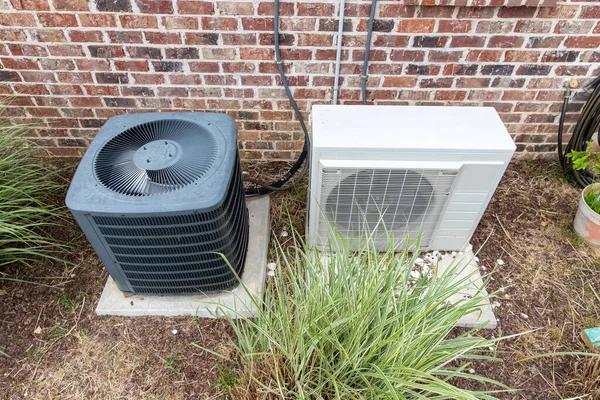
    Mini split air conditioners are versatile systems that provide efficient heating and cooling throughout the year, but their performance depends largely on proper use and maintenance. To maximize efficiency in every season, it is important to understand how these units operate and adopt practices that reduce energy consumption while maintaining comfort. One of the most effective ways to improve mini split AC efficiency is by regularly cleaning or replacing filters. Dust and debris can accumulate quickly, restricting airflow and forcing the system to work harder. This simple step ensures better air quality and optimal operation regardless of whether you are heating or cooling your space.

    During warmer months, setting the temperature at a moderate level helps prevent excessive energy use. Instead of drastically lowering indoor temperatures, aim for a comfortable range that balances coolness with efficiency. Utilizing programmable thermostats or smart controls allows you to adjust settings based on occupancy patterns, avoiding unnecessary cooling when rooms are empty. Additionally, keeping windows and doors closed while running the unit prevents warm air from entering and reduces strain on the system.

    In colder seasons, mini splits function as heat pumps by extracting warmth from outside air even at low temperatures. To maintain high efficiency during winter, ensure outdoor units remain free from snow or ice buildup since obstructions can impair heat exchange processes. Using a defrost mode if available will help clear frost automatically without manual intervention. It is also beneficial to seal any drafts around windows or doors inside your home so heated air does not escape easily.

    Proper placement of indoor units plays an important role in seasonal efficiency as well. Positioning them where airflow is unobstructed promotes even distribution of conditioned air throughout rooms without hotspots or cold zones developing over time. Avoid placing furniture directly in front of vents or blocking sensors with curtains which may cause inaccurate temperature readings leading to inefficient cycling.

    Regular professional maintenance checks identify potential issues such as refrigerant leaks or electrical faults before they escalate into costly repairs reducing overall system longevity. Inspecting coils annually ensures they remain clean for maximum thermal transfer capabilities regardless of seasonality.

    Taking advantage of natural ventilation when weather permits complements mechanical conditioning efforts effectively; opening windows briefly during mild days refreshes indoor air without relying solely on electric power consumption.

    By following these tips consistently across all seasons-clean filters frequently, set appropriate temperatures according to climate needs, protect outdoor components during winter months, optimize unit placement indoors, schedule routine servicing by professionals-you can significantly enhance your Mini Split AC‘s performance while minimizing energy bills year-round. These measures contribute not only to comfort but also sustainability through responsible usage aligned with environmental considerations inherent in modern HVAC technology advancements now widely accessible for residential applications everywhere today.
  • Energy Efficient Solutions in Modern Commercial Refrigeration Systems

    Energy Efficient Solutions in Modern Commercial Refrigeration Systems

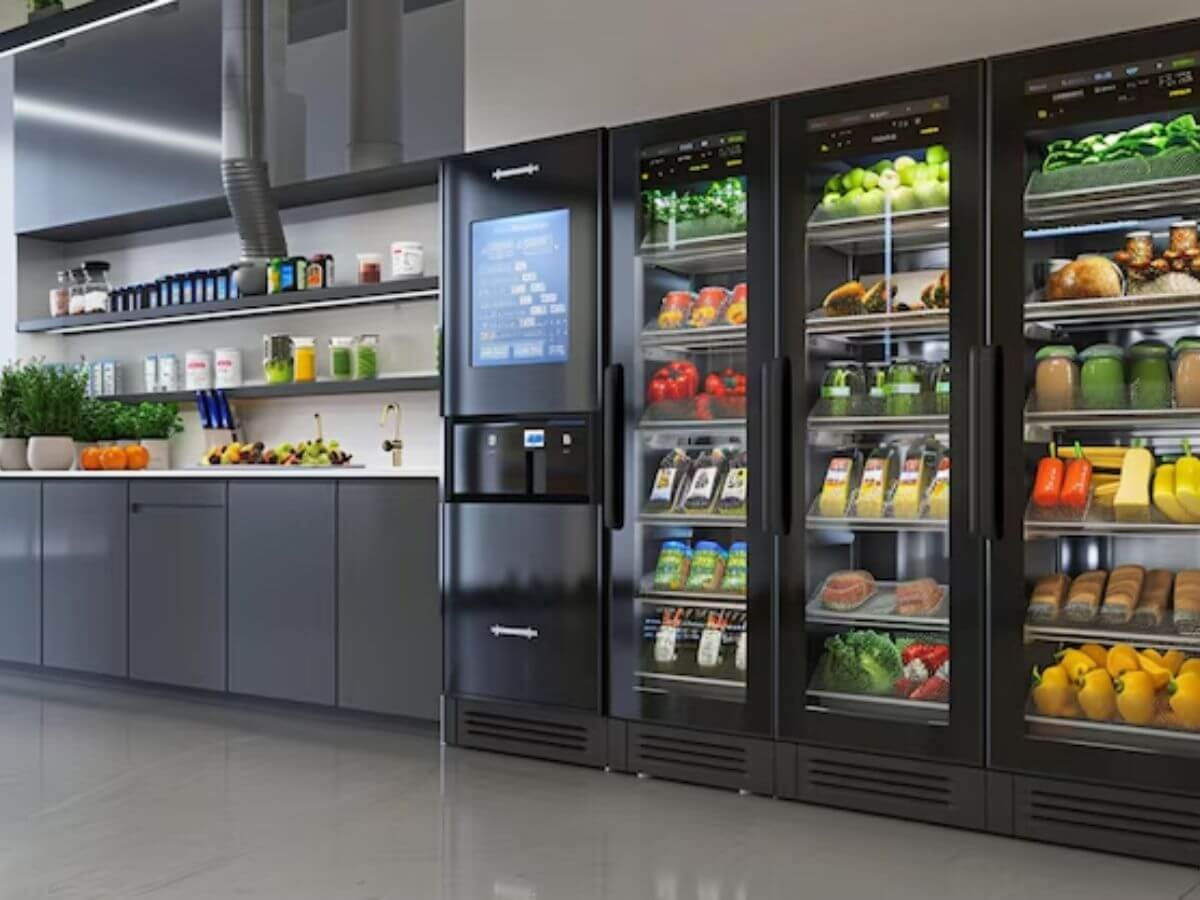
    Modern commercial refrigeration systems play a crucial role in preserving perishable goods across various industries, including food service, retail, and pharmaceuticals. As these systems often operate continuously, their energy consumption represents a significant portion of operational costs and environmental impact. Consequently, energy-efficient solutions have become essential in designing and upgrading commercial refrigeration units to reduce power usage while maintaining optimal performance.

    One of the primary approaches to enhancing energy efficiency involves the use of advanced compressors that consume less electricity without compromising cooling capacity. Variable speed compressors adjust their output based on real-time demand rather than running at full power continuously. This modulation reduces unnecessary energy expenditure during periods of lower cooling requirements. Additionally, modern refrigerants with low global warming potential contribute both to better thermodynamic efficiency and reduced environmental harm compared to traditional options.

    Improved insulation materials also play a vital role in minimizing heat transfer between refrigerated spaces and the external environment. High-quality insulation keeps cold air contained more effectively, reducing the workload on compressors and other components. Innovations such as vacuum insulated panels offer superior thermal resistance within thinner profiles, allowing for more compact equipment designs without sacrificing efficiency.

    The integration of smart controls further enhances system performance by optimizing temperature settings according to specific needs throughout operating hours. Sensors monitor internal temperatures closely and adjust cooling cycles dynamically to avoid overcooling or excessive defrosting processes that waste energy. Remote monitoring capabilities enable facility managers to track system status continuously and identify inefficiencies or maintenance issues early before they escalate into costly problems.

    Heat recovery technologies present another promising avenue for improving overall energy utilization in Commercial Refrigeration setups. Instead of discarding heat generated during compression stages as waste, this excess thermal energy can be captured and repurposed for space heating or water heating applications within the facility itself. Such synergy not only lowers total utility expenses but also reduces carbon emissions associated with separate heating systems.

    Lighting inside refrigerated display cases has evolved from incandescent bulbs toward LED technology due to its lower power draw and longer lifespan. Properly designed lighting minimizes additional heat load inside cabinets while providing clear visibility for customers or staff members inspecting products.

    Finally, regular maintenance routines ensure all components operate efficiently over time by preventing dirt buildup on condenser coils or detecting refrigerant leaks promptly-both factors that could degrade system effectiveness if neglected.

    In summary, adopting these innovative strategies enables businesses utilizing commercial refrigeration equipment to achieve substantial reductions in energy consumption while maintaining high standards of food safety and product quality. Energy-efficient refrigeration not only benefits operational budgets but also supports broader sustainability goals critical in today’s environmentally conscious market landscape.


Notice: ob_end_flush(): Failed to send buffer of zlib output compression (0) in /home/diyckqk/public_html/wp-includes/functions.php on line 5581