Storms can wreak havoc on homes and properties, and one of the often-overlooked casualties is the air conditioning unit. These essential systems are designed to withstand various weather conditions, but severe storms can lead to significant damage. Understanding how storms affect your air conditioner and what steps to take afterward is crucial in ensuring its longevity and efficiency.
When a storm hits, several factors can compromise your air conditioning system. High winds can cause physical damage by knocking over units or blowing debris into them. This debris can clog filters, bend fan blades, or even disrupt the electrical components inside the unit. Additionally, heavy rainfall poses a risk of flooding, which can damage internal parts if water seeps into sensitive areas. Lightning strikes are another threat; they have the potential to fry circuits or completely disable electronic controls.
After a storm has passed, it’s important to assess any potential damage as soon as possible. Begin by visually inspecting the outdoor unit for obvious signs of harm such as dents or displaced components. Check for any debris that may have accumulated around or inside the unit; clearing this promptly will help prevent further issues like restricted airflow or overheating.
If you suspect water intrusion due see website to flooding, it’s advisable not to turn on your air conditioner until it has been thoroughly checked by a professional technician. Attempting to operate a water-damaged unit could result in short-circuiting or more extensive mechanical failure.
In cases where lightning was prevalent during the storm, inspect your home’s circuit breakers before turning on any electrical appliances including your AC system. If tripped breakers are found related specifically to your HVAC system, consider having an electrician examine both circuits and wiring for safety reasons before attempting any resets.
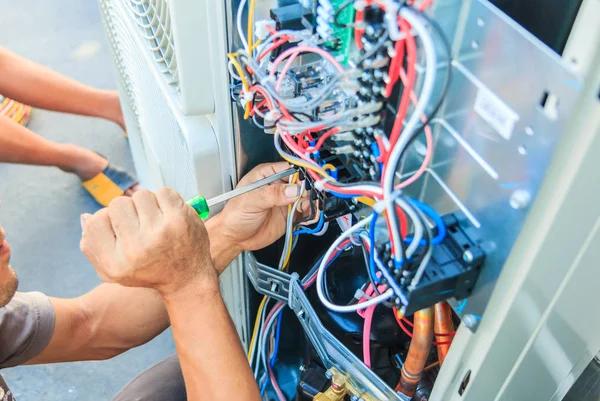
Engaging with qualified HVAC professionals post-storm is always recommended for an accurate assessment of potential damages that might not be visible at first glance. They possess specialized tools and expertise necessary for diagnosing issues like refrigerant leaks caused by impact stresses from flying debris.
Preventative measures also play an integral role in protecting your air conditioning system against future storms. Ensuring regular maintenance checks will keep systems operating efficiently while addressing minor concerns before they escalate into major problems during adverse weather events.
Moreover, investing in protective covers designed specifically for outdoor units provides additional defense against wind-driven rain and airborne projectiles common during intense storms without compromising ventilation when not in use.
Ultimately being proactive about monitoring weather forecasts alongside maintaining equipment readiness significantly reduces risks associated with unexpected repairs stemming from storm-related damages—ensuring comfort remains uninterrupted regardless of what Mother Nature throws our way!